Jungle Animal: The Strategic Impact of a Primate Icon
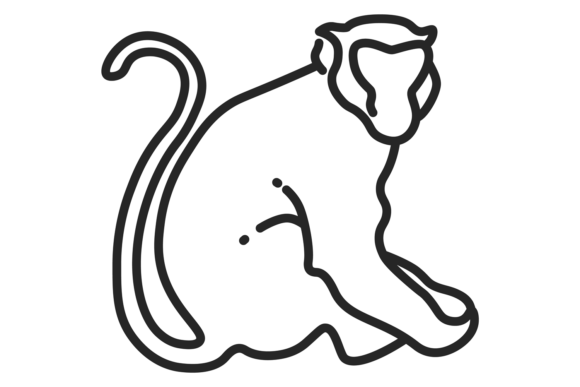
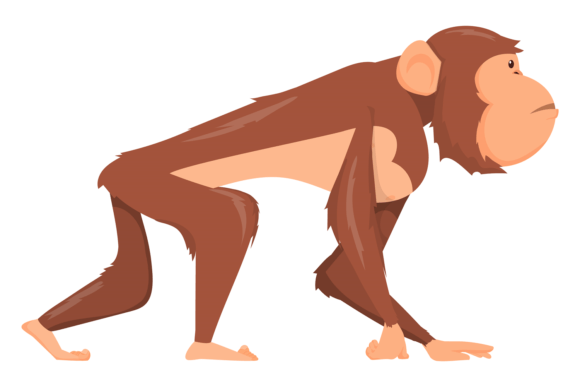
In the fast-paced world of modern branding and content creation, capturing attention requires more than just words; it requires a visceral reaction. Enter the Monkey Walking Side View. This specific illustration style—often found as a Wild primate isolated on white background EPS, JPG, or transparent PNG—has become a staple in the toolkit of designers, entrepreneurs, and marketers alike. But why does this particular image resonate so deeply? It is more than just a picture of a jungle animal; it is a versatile asset that communicates movement, curiosity, and a playful yet professional edge in the right context.
The Anatomy of the Side View: Why This Angle Matters
When we talk about visual hierarchy and composition, the perspective of an image dictates the viewer's eye flow. The Monkey walking side view is particularly powerful because it implies direction and progress. Unlike a static frontal portrait, a side profile suggests that the subject is going somewhere. For a small business owner or a marketer, this subtle visual cue is invaluable. It suggests that your brand is forward-thinking and active.
Visually, a high-quality vector or transparent PNG of this nature usually features clean lines and distinct textures. Whether you are utilizing a stylized, cartoonish aesthetic or a hyper-realistic rendering, the side view allows for clear definition of posture and personality. You can see the gait, the curve of the tail, and the set of the shoulders. This clarity is essential for logo design and packaging design, where intricate details can often get lost at smaller scales. The silhouette is instantly recognizable, making it a fantastic anchor for a visual identity system.
Furthermore, the isolation on a white background (or the availability of transparent PNG formats) makes this asset a dream for modern typography integration. You can easily layer this jungle animal behind bold headlines, use it as a watermark, or integrate it into complex social media graphics without worrying about clashing backgrounds. It is a design asset that offers total creative freedom.
Strategic Applications: From Brand Identity to Editorial Design
Understanding where to deploy the Monkey Walking Side View is just as important as the asset itself. It is a highly specific creative font of imagery—meaning it fits certain niches perfectly while requiring careful handling in others.
Branding and Corporate Identity
For brand identity, this image works exceptionally well for companies that want to project agility, intelligence, or a connection to nature. Think of organic food brands, agile tech startups, or educational platforms. The walking motion suggests that the business is "on the move." When paired with a sturdy sans serif font, the illustration can feel modern and clean. Conversely, pairing it with a whimsical script font can soften the image, making it suitable for children’s clothing lines or boutique pet shops.
Digital and Web Design
In the realm of web design, the side view profile is an excellent tool for guiding user navigation. Imagine using the monkey as a mascot that "walks" the user through a tutorial or a pricing page. Because the animal is looking forward, it naturally directs the user's eye toward your call-to-action buttons. It breaks up the monotony of standard stock photography and injects personality into landing pages without sacrificing readability or professional standards.
Print and Packaging
For physical products, the Monkey walking side view offers incredible versatility. On coffee packaging, it can suggest the journey of the bean from the jungle to the cup. On stationery, it adds a touch of playful sophistication. The key here is visual hierarchy. The monkey should support your display font and headline, not compete with it. Using the EPS vector format ensures that whether you are printing a massive banner or a small sticker, the lines remain crisp and the impact remains high.
Design Mechanics: Pairing and Perception
Integrating a strong illustrative element like a Wild primate requires a thoughtful approach to typography and layout. You cannot simply drop a high-quality image onto a canvas and hope for the best; you need to consider how the lines of the illustration interact with the letterforms of your text.
Font Pairing Strategies
When selecting a premium font to accompany this image, contrast is your friend. If the illustration is detailed and textured, opt for a clean sans serif font like Helvetica or Montserrat. This prevents the design from becoming cluttered. If the illustration is minimalist and geometric, you have more room to experiment with a bold serif font or even a playful handwritten font. The goal is to create a conversation between the text and the image. For example, a heavy, blocky typeface can ground the lightness of the walking monkey, creating a balanced composition.
Color and Negative Space
Because the asset is often isolated on white, you have a unique opportunity to play with negative space. Do not feel the need to fill every pixel. Allow the monkey to "walk" into empty space; this creates breathing room and emphasizes the professionalism of the design. When it comes to color, the monochromatic nature of many vector illustrations allows you to apply brand colors easily. You can match the monkey’s fur to your primary brand color, instantly locking in brand consistency across all platforms.
Practical Implementation for Creators
For designers, entrepreneurs, and content creators, the utility of the Monkey Walking Side View extends beyond mere aesthetics. It is about efficiency and adaptability. Here is how to maximize this asset in your workflow:
- Evaluate the Format: Always prioritize the transparent PNG or EPS files. These formats allow for seamless layering in software like Adobe Illustrator or Canva. A JPG with a white background will limit your placement options and force you to perform time-consuming background removal.
- Check Commercial Licensing: Before using this image in a commercial font or product launch, verify the licensing. Most stock sites offer standard licenses for web and print, but if you plan to use it on high-volume merchandise (like t-shirts or mugs), you may need an extended license.
- Test for Scalability: Zoom in and out. Does the monkey lose its charm when it is the size of a favicon? Does it look blurry on a billboard? The beauty of vector formats is their infinite scalability, but if you are using a rasterized JPG, ensure the resolution is high enough (300 DPI for print, 72 DPI for web).
- Contextual Fit: Be honest about your audience. While a monkey walking side view is fantastic for a travel blog or a creative agency, it might feel out of place on a corporate law firm’s website. Know your market and use the image to reinforce the narrative you are trying to build.
Conclusion: Walking the Walk
The Monkey Walking Side View is more than just a piece of clip art; it is a storytelling device. It represents movement, nature, and a distinct personality that can elevate a brand from generic to memorable. By carefully selecting your typography, respecting the negative space, and applying the image to the right mediums, you can transform this simple jungle animal into a cornerstone of your visual strategy. Whether you are a crafter looking for the perfect decal or a marketer designing a global campaign, this asset proves that sometimes, the best way forward is to take a walk on the wild side.